.svg)
The missing link between sourcing
and automation
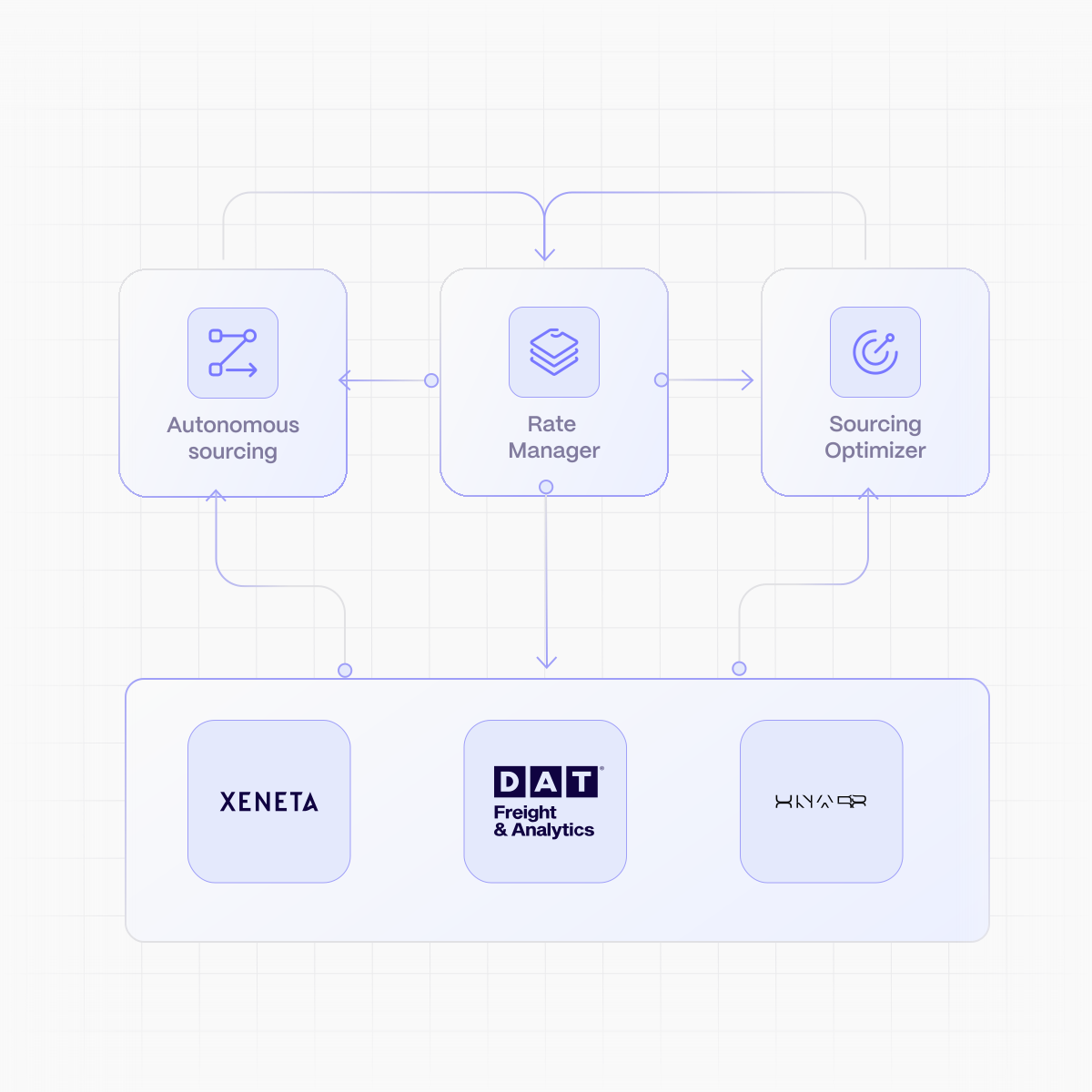
Automated sourcing = more rates. Rate Manager keeps them organised, current, and accessible directly from Keelvar. So scale ≠ chaos.
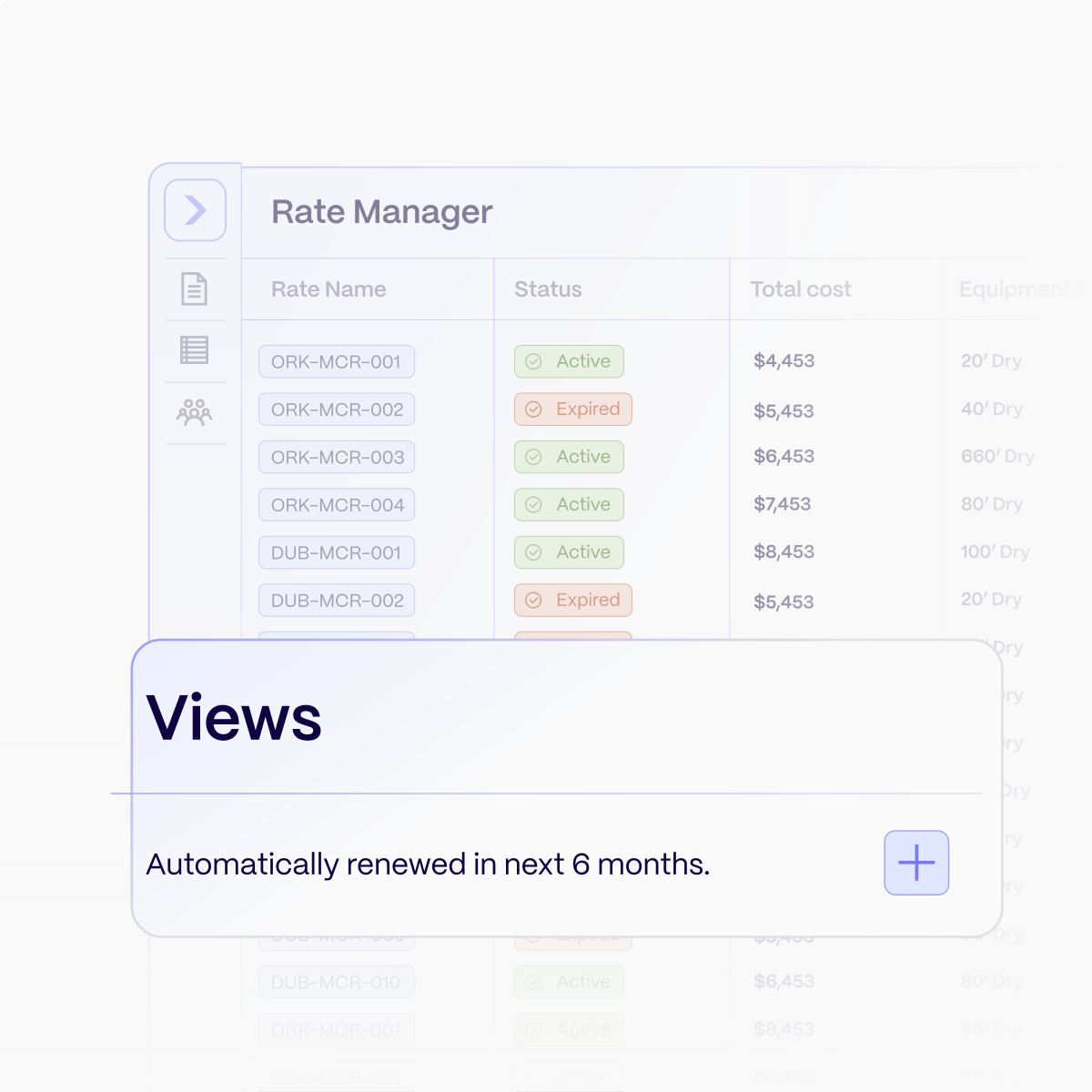
Expiring rates that renew themselves
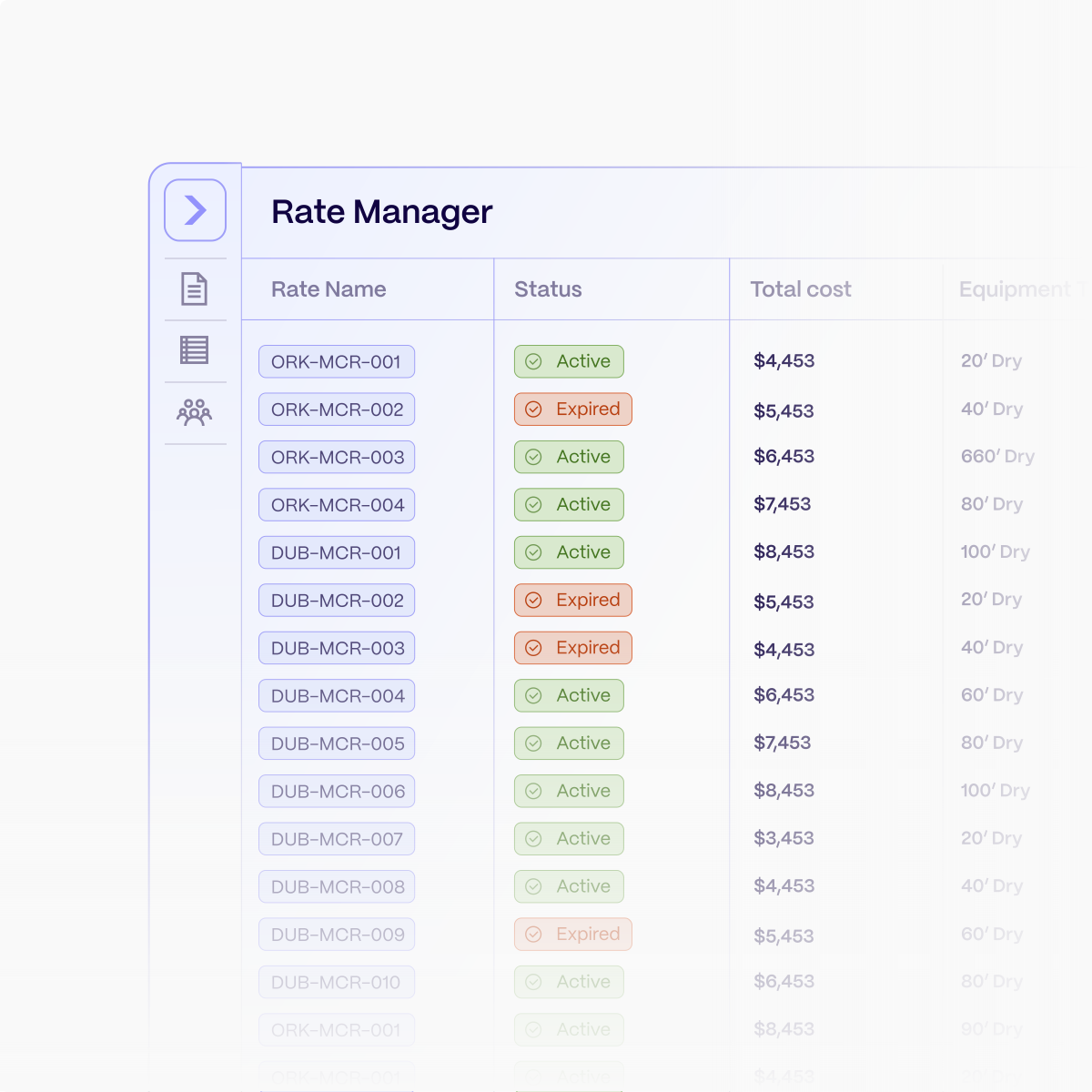
One place for all rates across every category
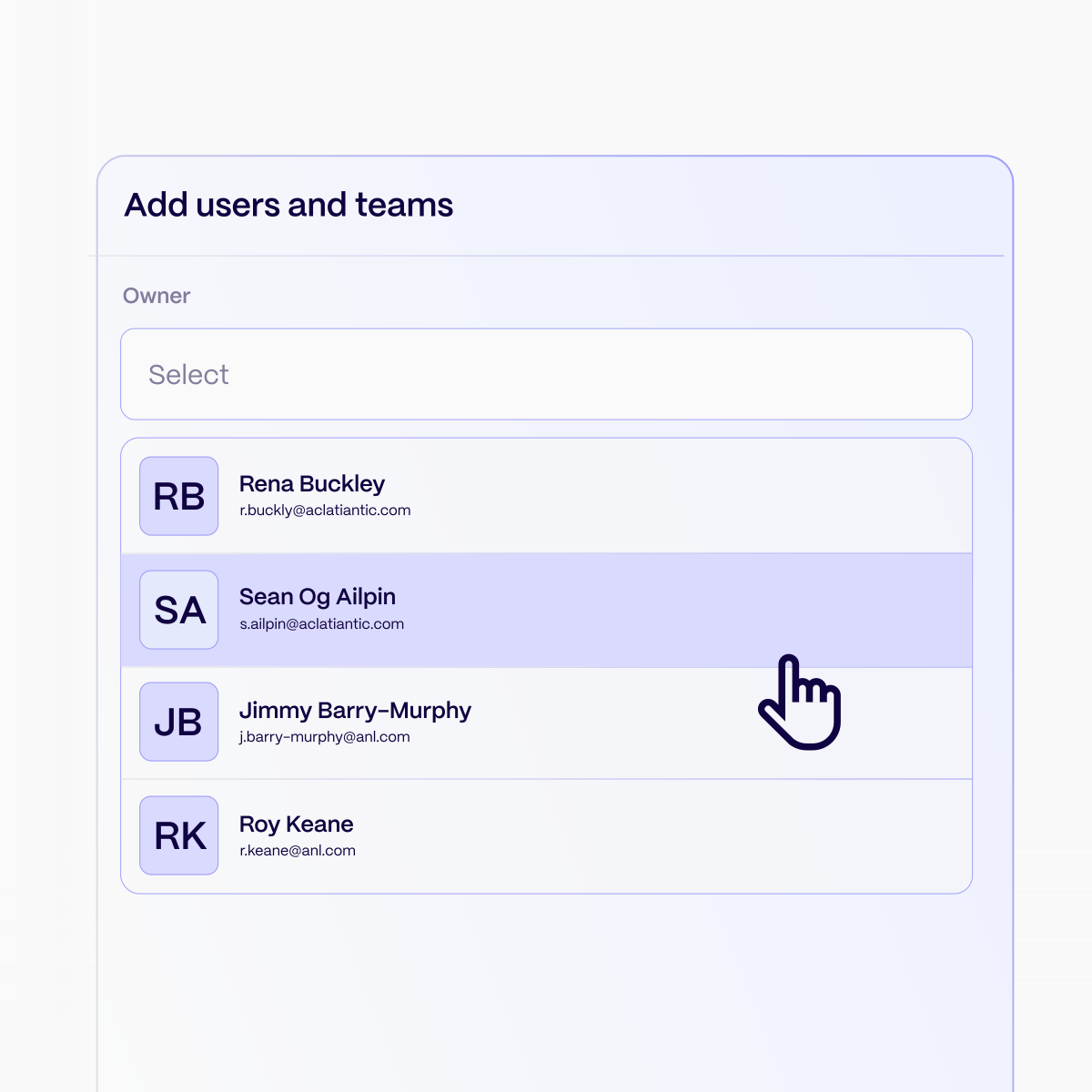
Rates your organization can trust and use
How Keelvar beats competition


Four capabilities that keep your rate data working for you
Rates that stay current without anyone chasing them
Rate manager automatically exports new rates into category-specific rate cards and triggers renewal events before contracts lapse. Manual tracking becomes optional, not essential.
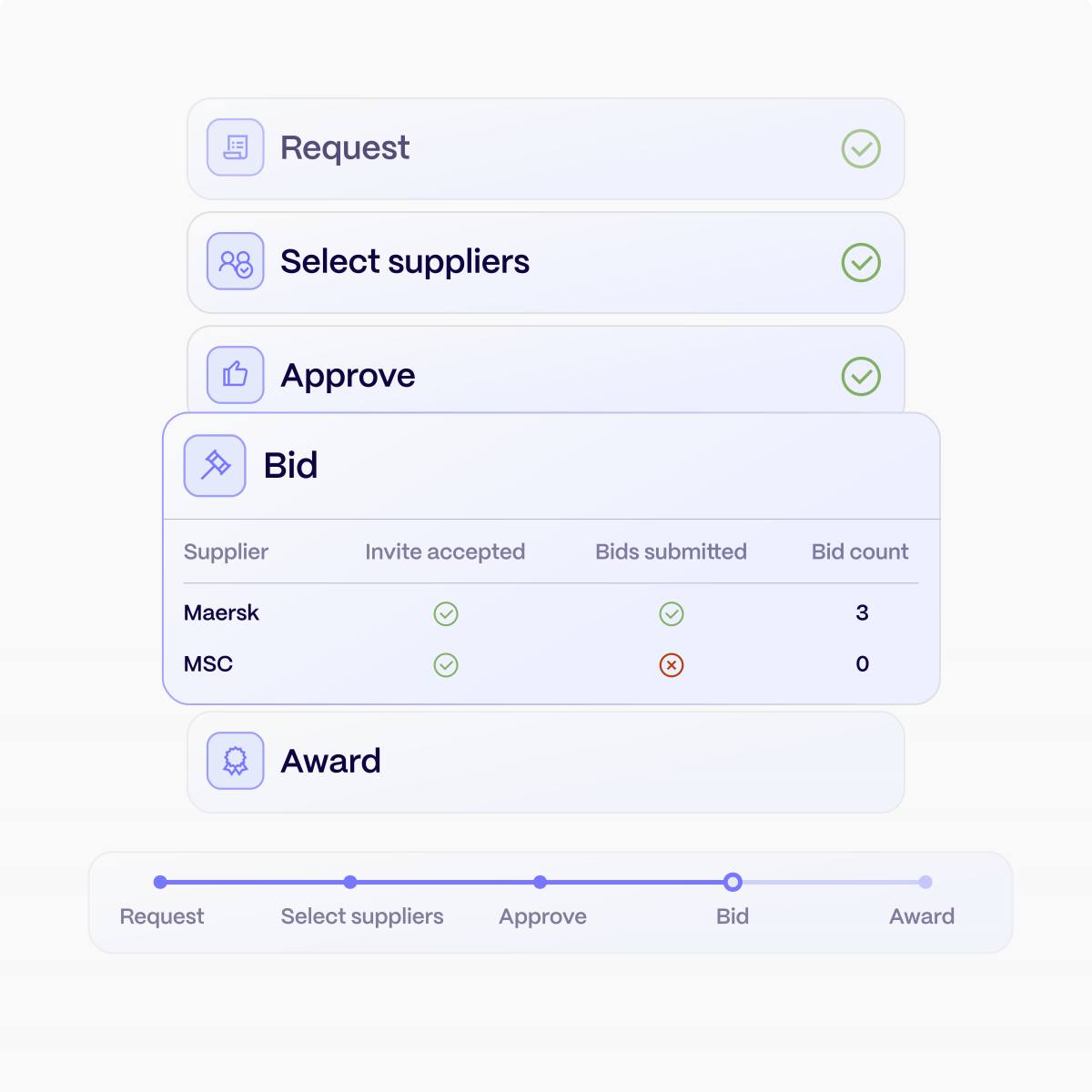
Rate cards built around your categories, not a generic template
Create rate cards with custom fields, supplier lookups, and contracted dates that reflect how your business actually operates. Each category gets the structure it needs — not a one-size-fits-all format that forces workarounds.
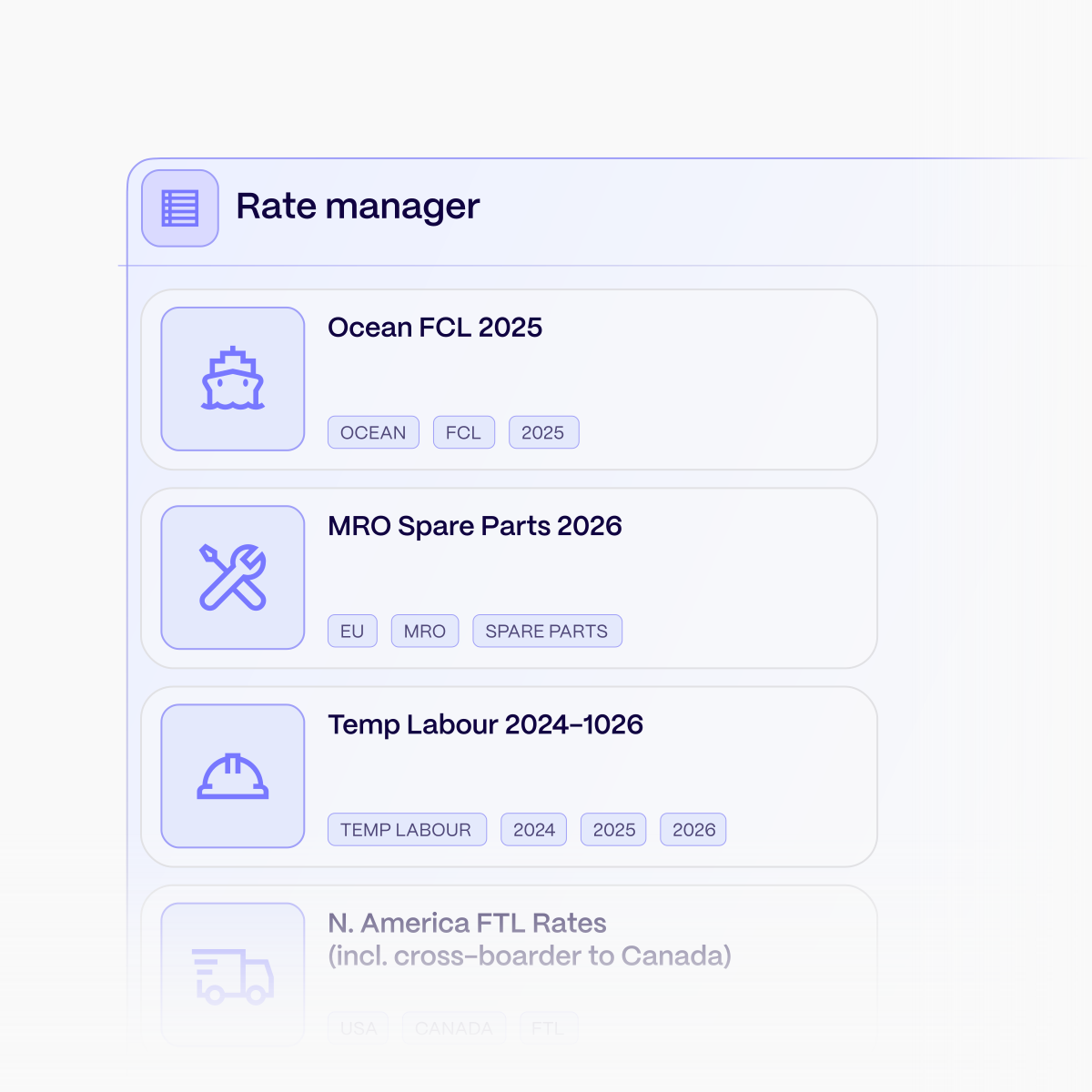
Get all your rates in one place, fast
Consolidate existing rates with bulk imports or create them directly in-app. Clean, structured data from day one — so your sourcing agents have something reliable to work with from the moment you go live.
Find any rate in seconds, share it in one click
Advanced filtering and sorting make retrieval fast. Exportable views mean the right rate data reaches the right teams without anyone having to dig through folders or email requests to procurement.
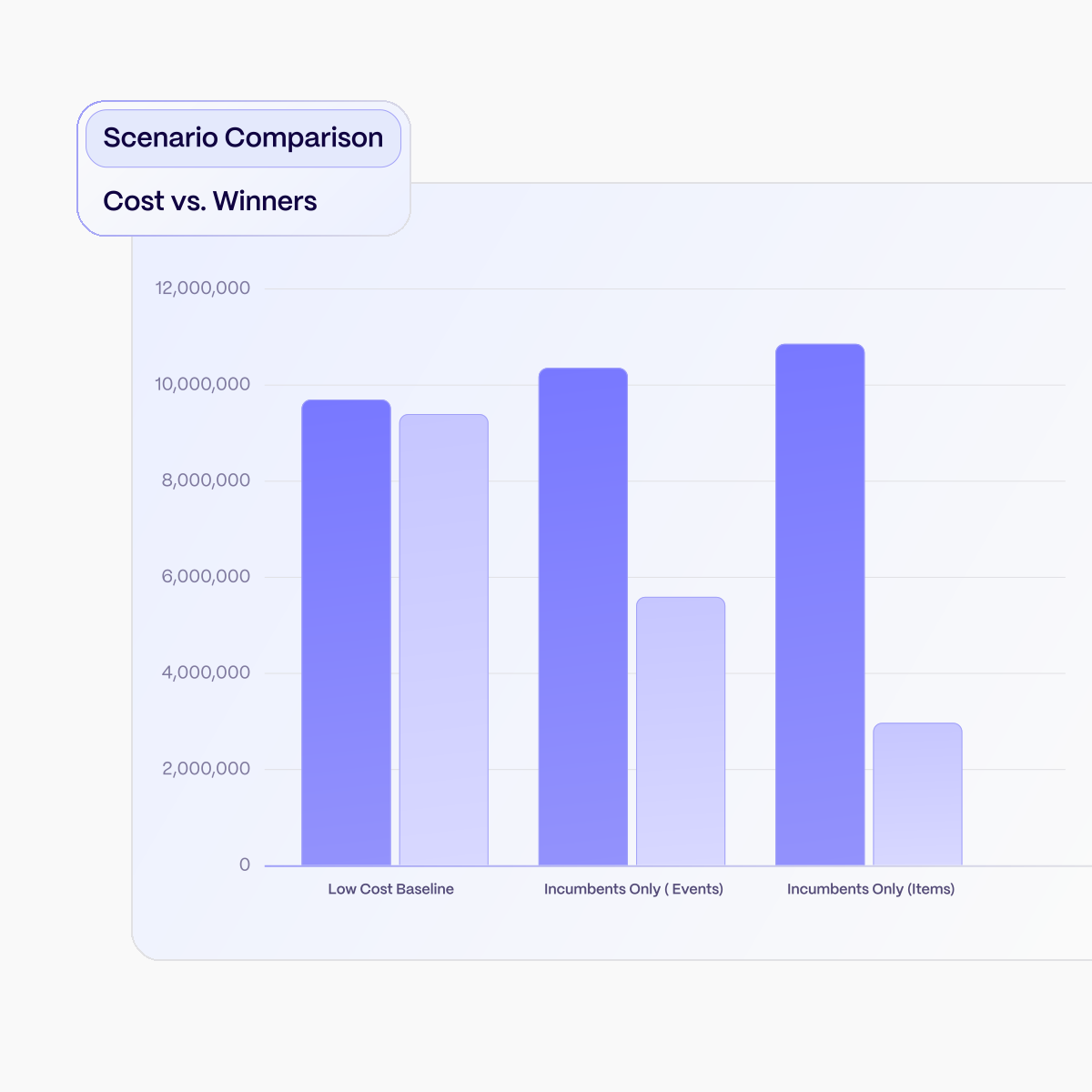
Numbers speaks louder than words
Lorem ipsum dolor sit amet,Nunc ut sem vitae risus tristique posuere.
Lorem ipsum bu
Lorem ipsum dolor sit amet, conse
Lorem ipsum dolor sijusto cursus id rutrum lorem imperdiet.
Heading
Lorem ipsum dolor sit amet, consectetur adipiscing elit. Suspendisse varius enim in eros elementum tristique. Duis cursus, mi quis viverra ornare, eros dolor interdum nulla Nunc ut sem vitae risus tristique posuere.
What they say about us
“Keelvar makes processes that are complex, simple — so you can easily follow them, and you can easily go through the checkpoints, so you're sure you're not going to make a mistake. It's like having a second pair of eyes checking everything you're doing“

“Anybody can create a software tool to house data. It’s the analytics that tipped the scale back in 2019, and it’s the reason we’re still using Keelvar 6 years later. Anything we can do to help stabilise or drive down costs during tariff changes or shipping disruptions has been very valuable to us.”

“Keelvar is a very user-friendly, simple system, with a lot of powerful things integrated into one solution.”
.png)
Learn more about our solutions




Get in touch
FAQs
Straight answers to common questions about Keelvar.
Rate Manager is Keelvar's product for centralising and managing contracted supplier rates. It replaces the spreadsheets and fragmented systems most procurement teams use to store rate data
Rates are the output of every sourcing event. If those rates are stored inconsistently across spreadsheets, inboxes, and local files, your procurement function loses visibility into what has been contracted, at what price, and for how long. This creates risk: teams may pay out-of-contract rates, miss renewal windows, or make sourcing decisions based on outdated data. Centralised rate management turns contracted rates from a filing problem into a strategic asset.
Rate Manager acts as the data foundation for autonomous sourcing. When rates are centralised and monitored in real time, AI agents can use that rate data to inform sourcing decisions, benchmark incoming bids, and trigger new events automatically when contracts approach expiry. This is what Keelvar calls the flywheel effect: better rate management feeds better automation, which delivers better rates, which improves automation further.
Access levels are configurable. You can define which team members can view rates, which can request updates, and which have authority to modify rate cards. Suppliers can be invited to update their own rates directly within the platform, removing the back-and-forth of manual rate revision cycles. An audit trail records all changes, so you always know what was changed, when, and by whom.
Yes. Rate Manager is category-agnostic. It is used most heavily in transport and logistics — where rate cards cover FTL, LTL, ocean, air, and parcel lanes — but it works equally well for direct materials, indirect, packaging, and services categories. Rate cards are fully customisable with the fields relevant to each category, and rates from different categories can be managed within the same platform.
When contracted rates are visible to everyone who needs them and easy to retrieve, there is far less reason for teams to place orders outside agreed terms. Rate Manager makes it straightforward to look up the correct contracted rate for any supplier and category, reducing the likelihood that staff use outdated or unchecked pricing. Combined with the audit trail and access controls, it gives procurement clear oversight of what is being spent and at what price.